Picolaser Yag Laser Machine
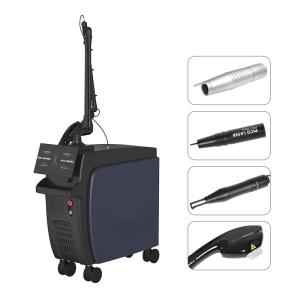
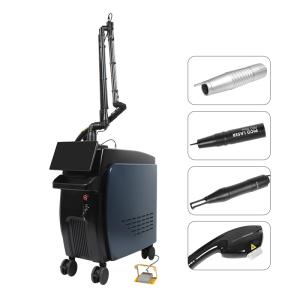
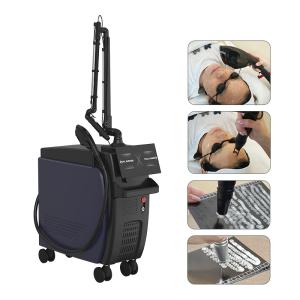
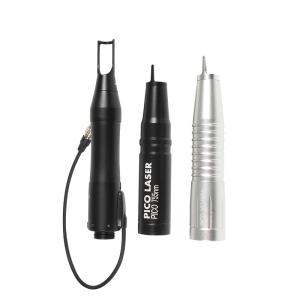
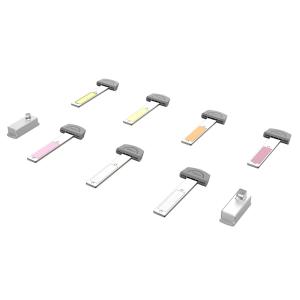
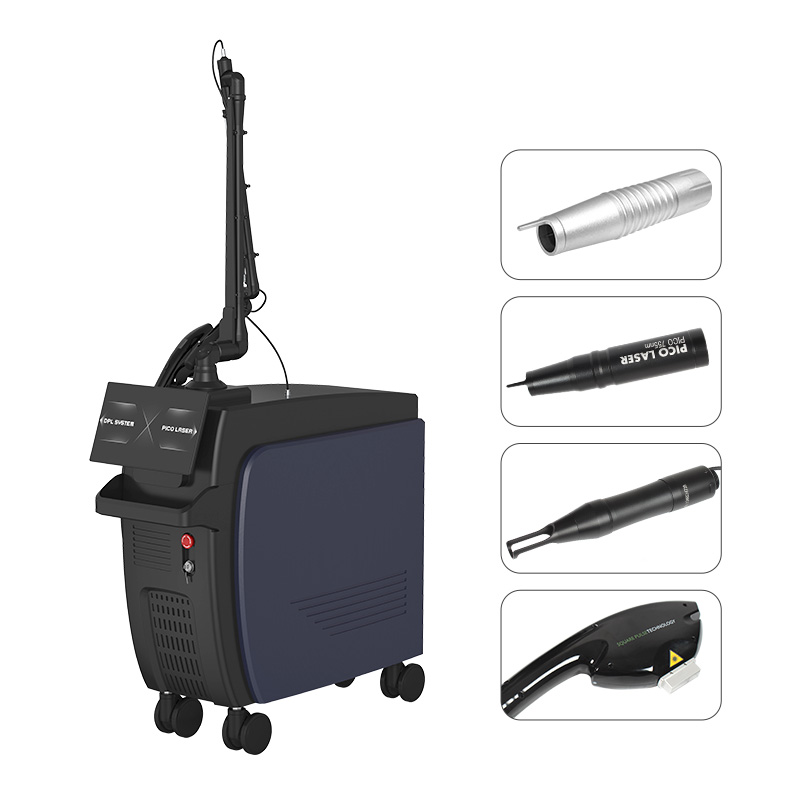
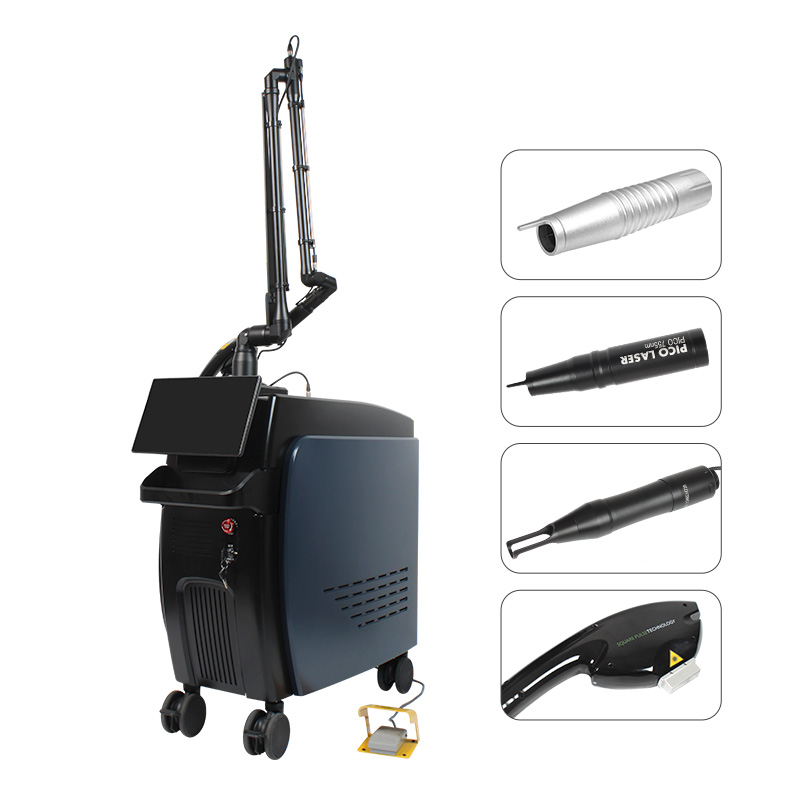
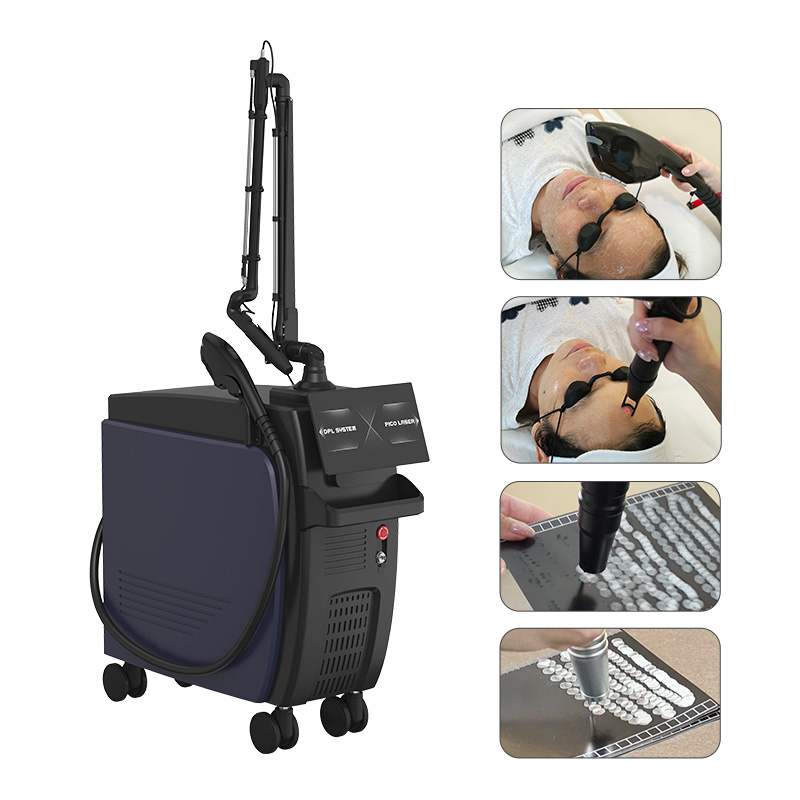
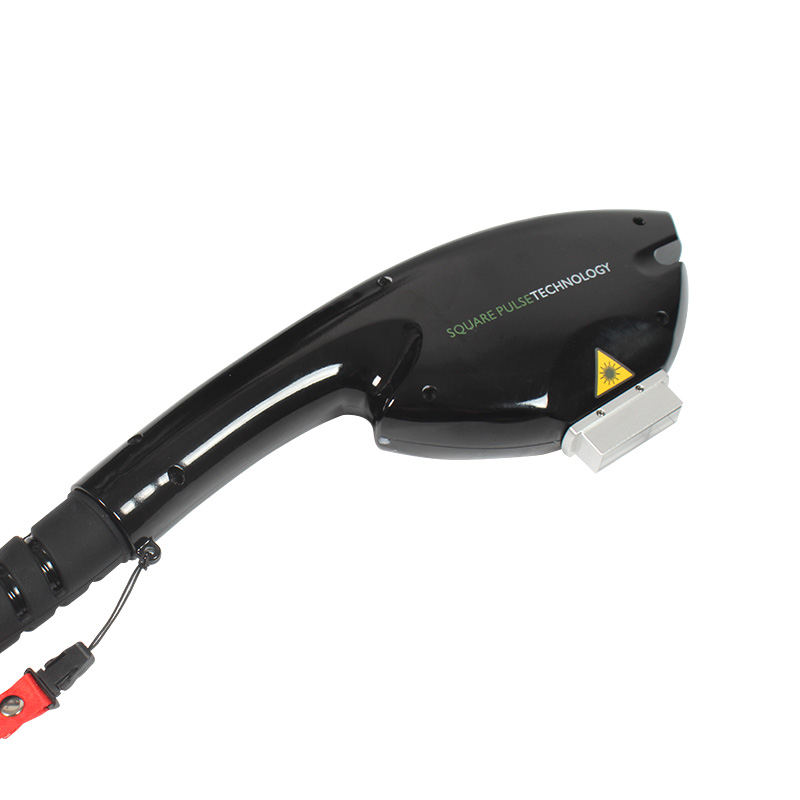
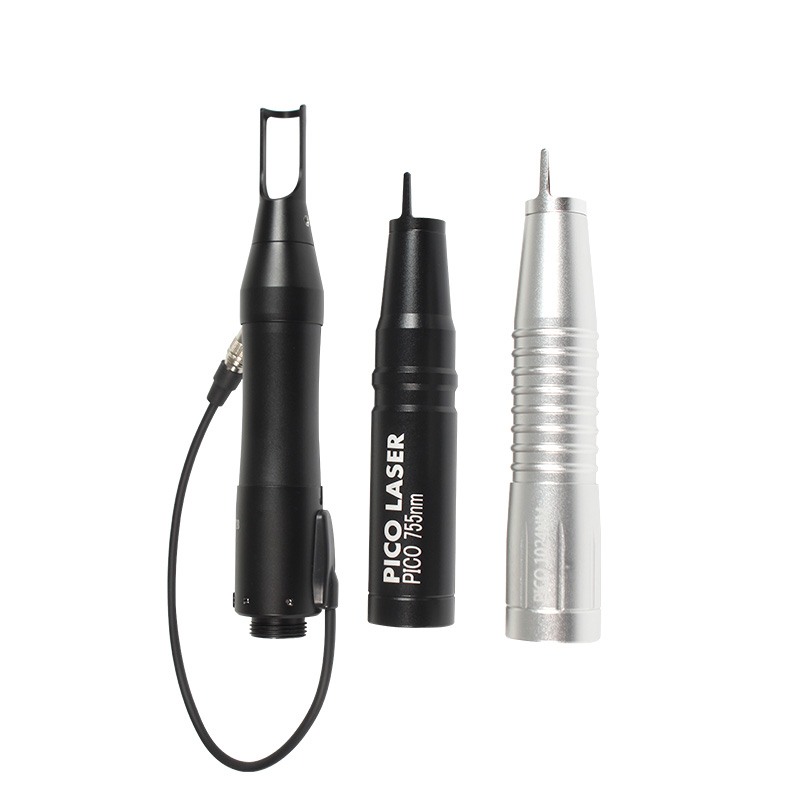
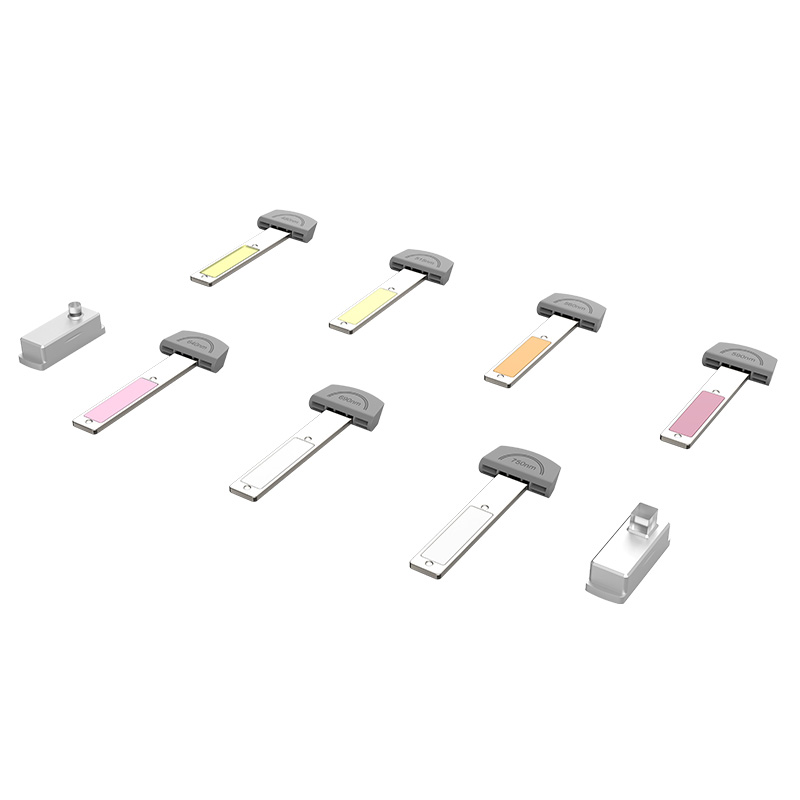
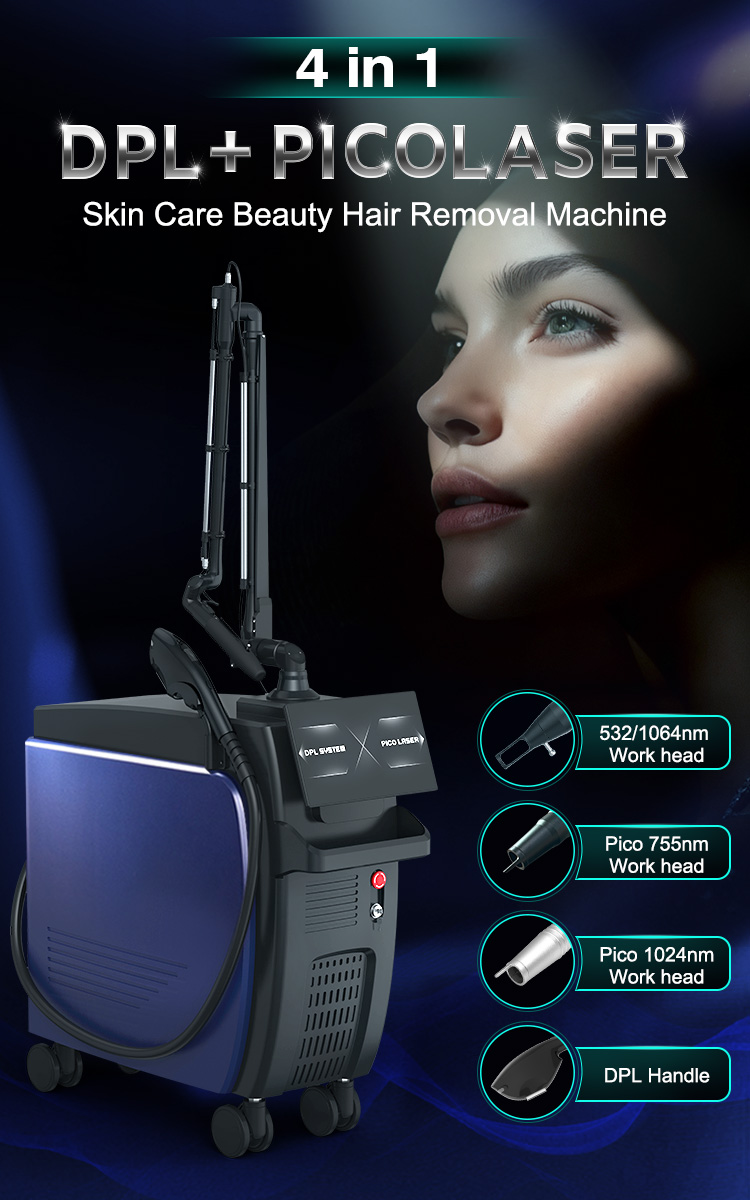
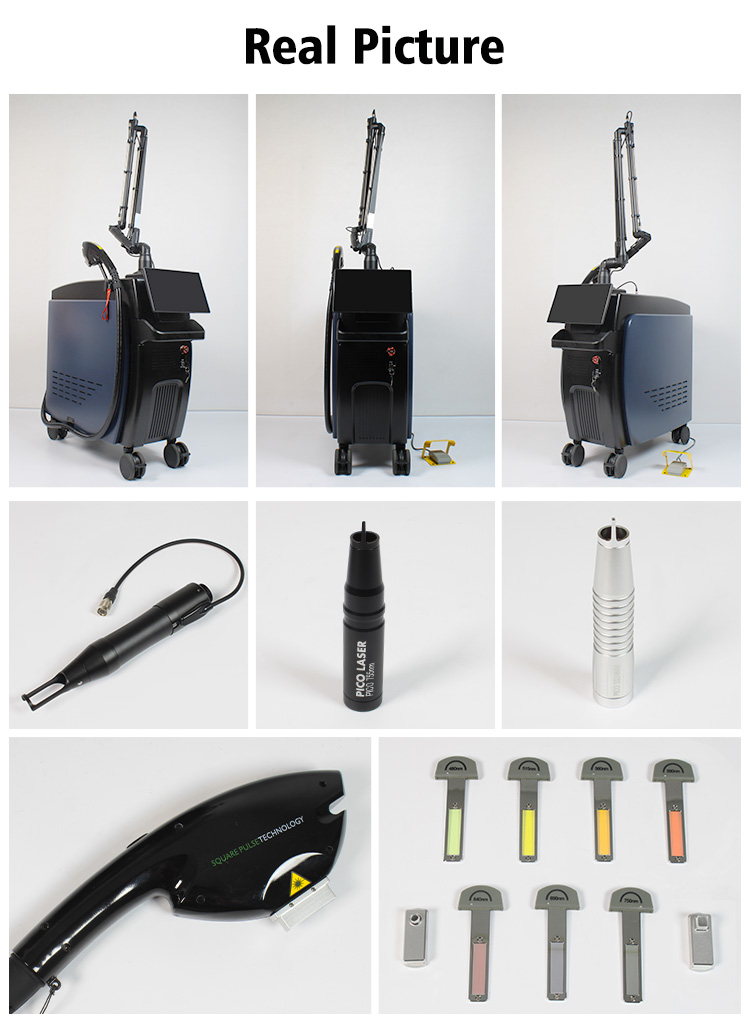
2-in-1 Pico Laser Dpl Skin Rejuvenation Carbon Peel Laser Machine Skin Whitening
PL-931
Theory
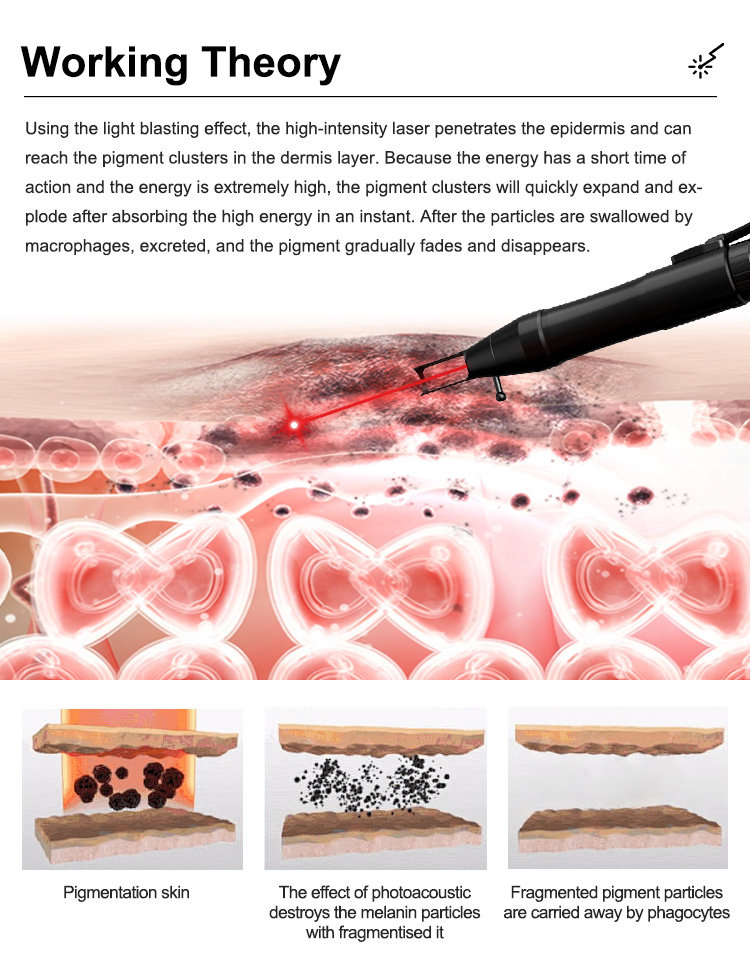
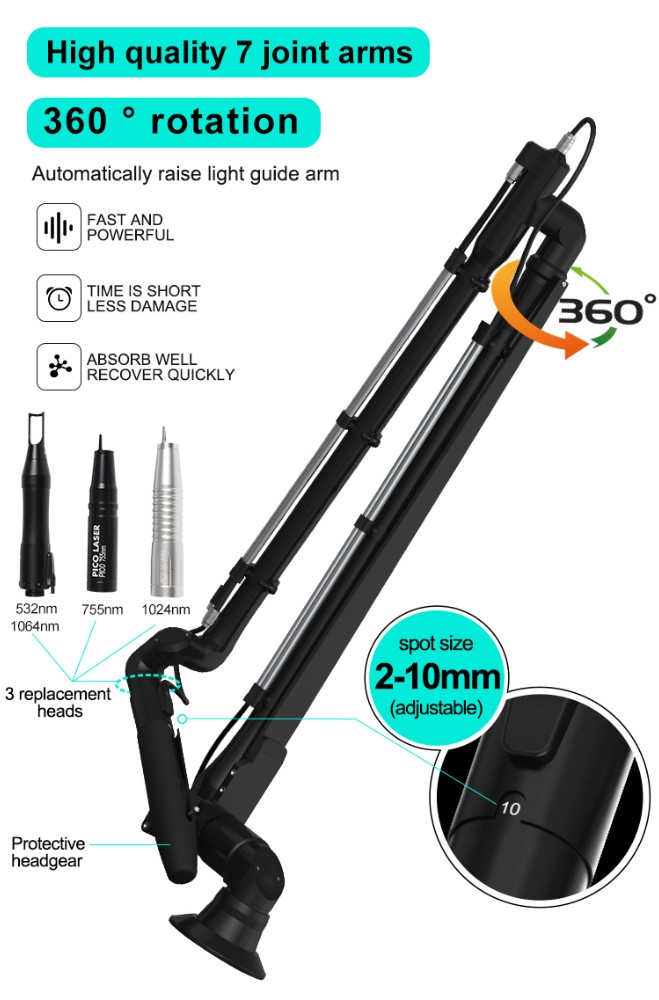
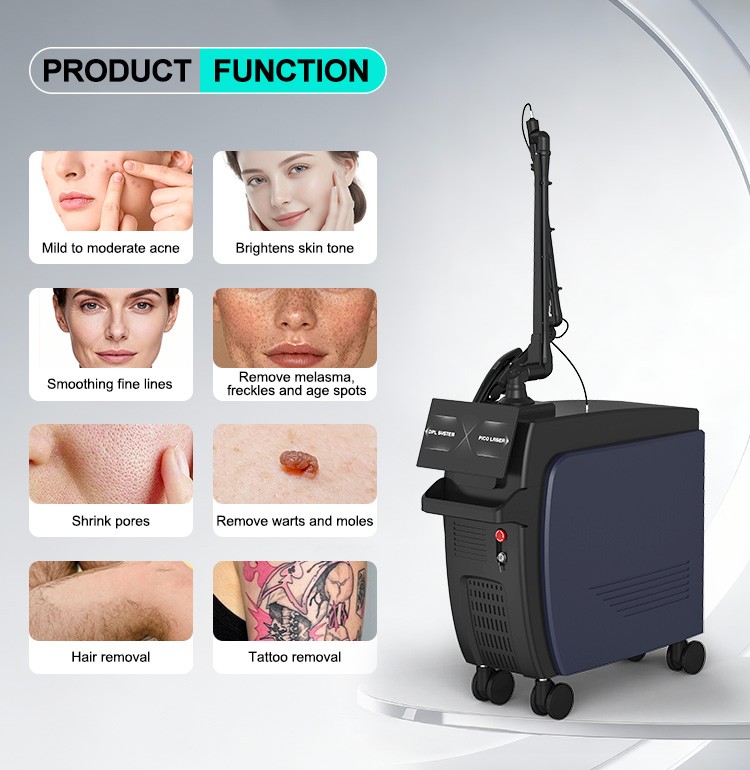
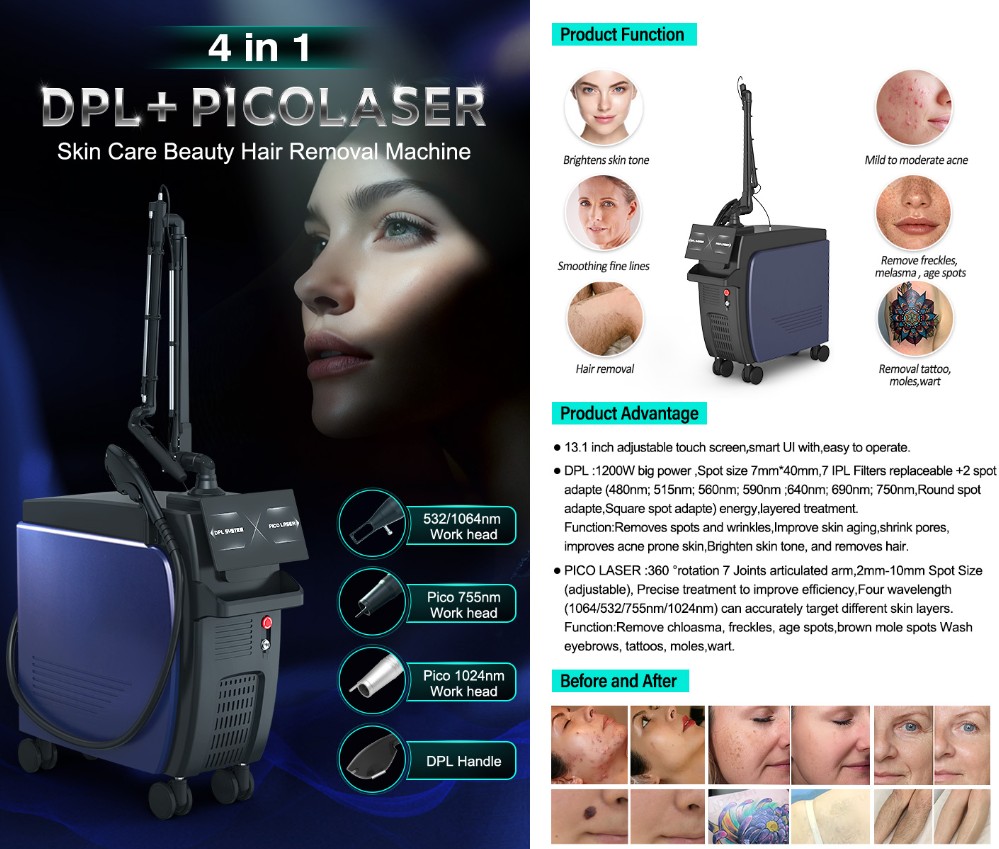
Using the light blasting effect, the high-intensity laser penetrate the epidermis and can reach the pigment clusters in the dermis layer. Because the energy has a short time of action and the energy is extremely high, the pigment clusters will quickly expand and explode after absorbing the high energy in an instant. After the particles are swallowed by macrophages, excreted, and the pigment gradually fades and disappears.
The picosecond laser with ultra-short pulse width can effectively produce photo-mechanical effects and break the pigment particles into small fragments.
Compared with nano-scale Q-switched laser, picosecond laser only needs lower energy to achieve the effect.
It takes less number of treatment courses to achieve better treatment effect.
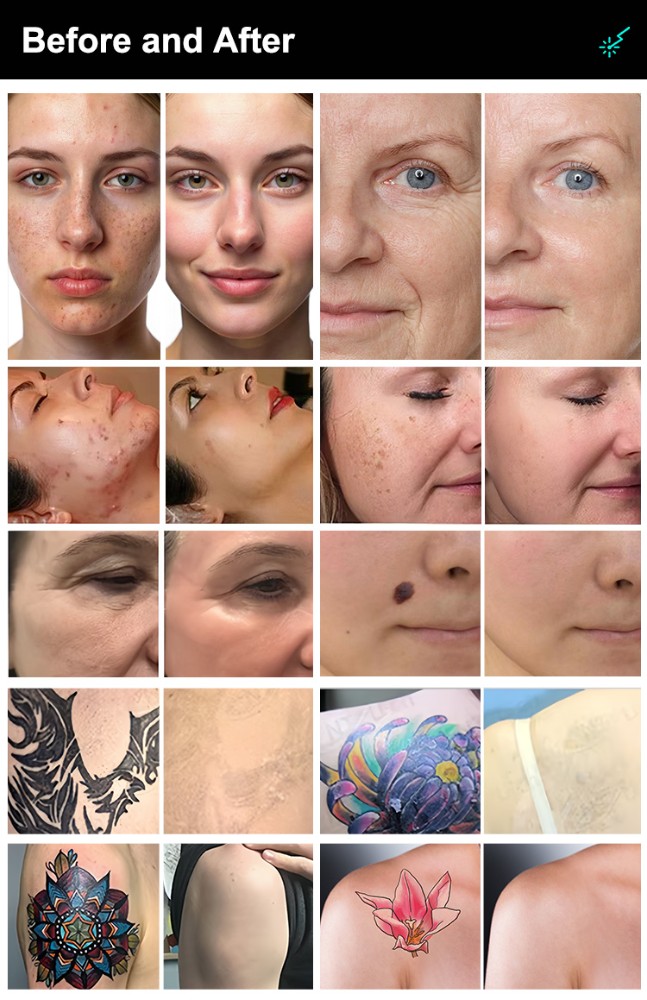
Stubborn green and blue tattoos can also be effectively removed.
Treated but incomplete tattoo removal, picosecond laser can also treat.
In the mechanism of pigment particle destruction, there are mainly photothermal and photomechanical effects. The shorter the pulse width, the weaker the effect of converting light into heat. Instead, the photomechanical effect is used, so picoseconds can effectively crush the pigment particles, resulting in better pigment removal.
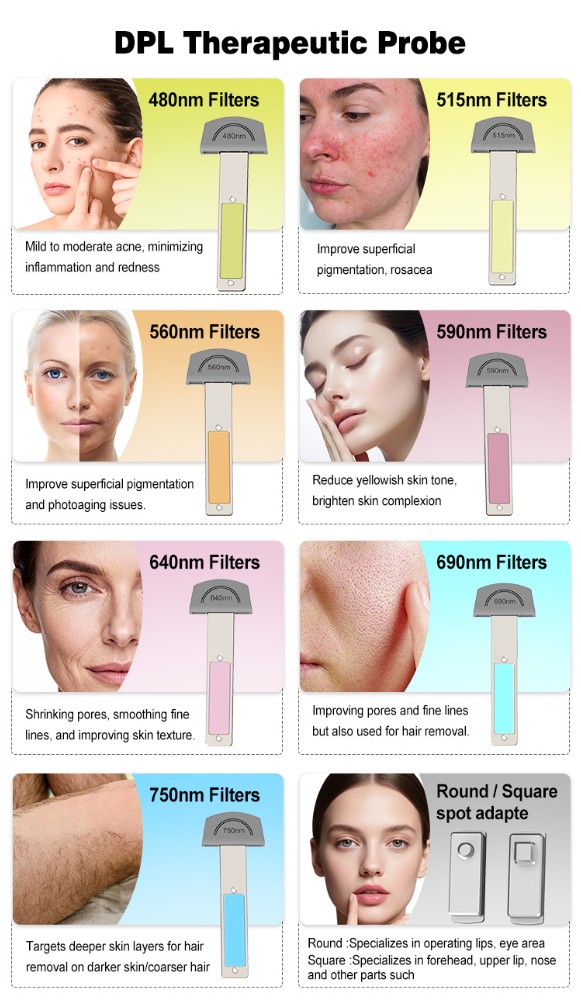
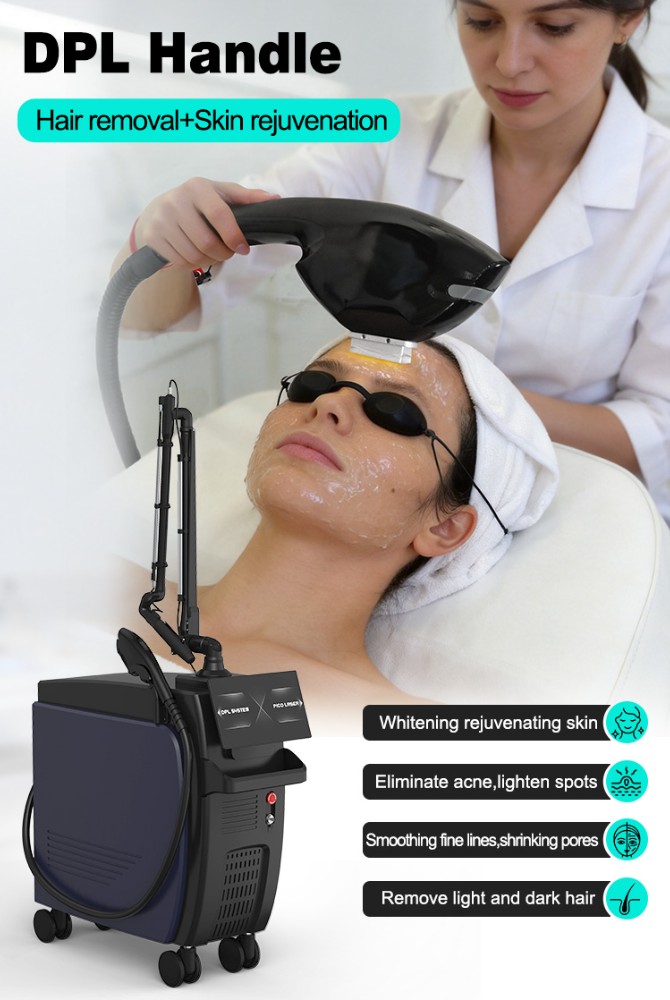
DPL
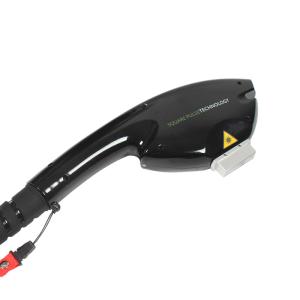
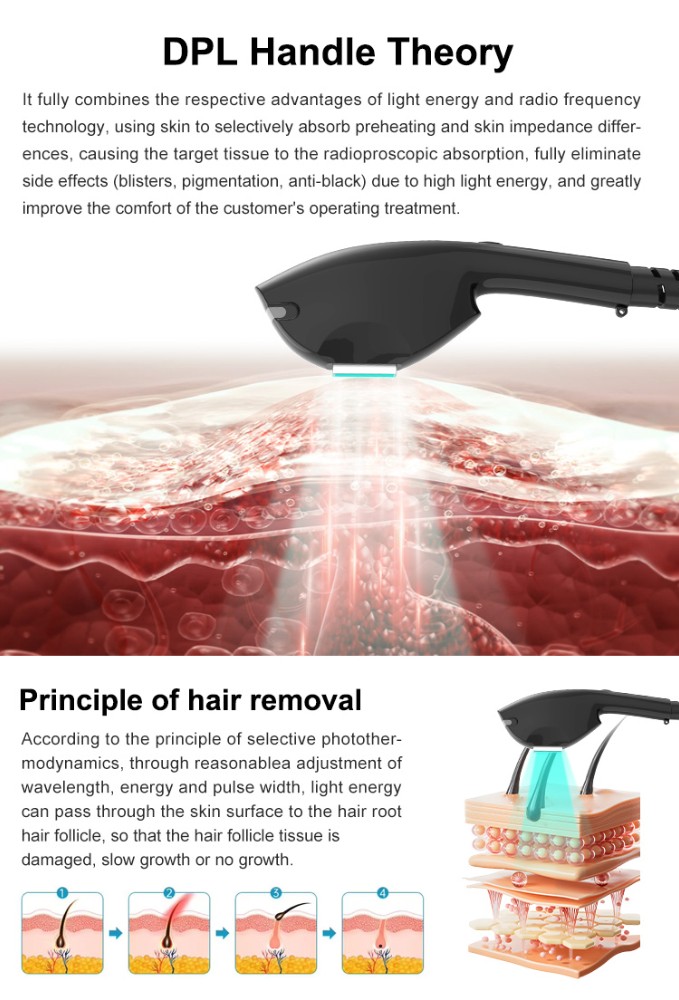
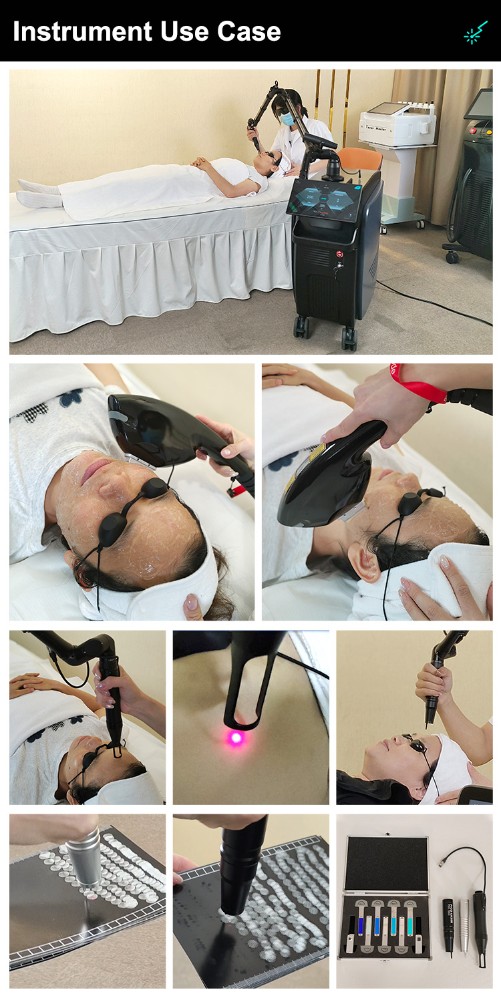
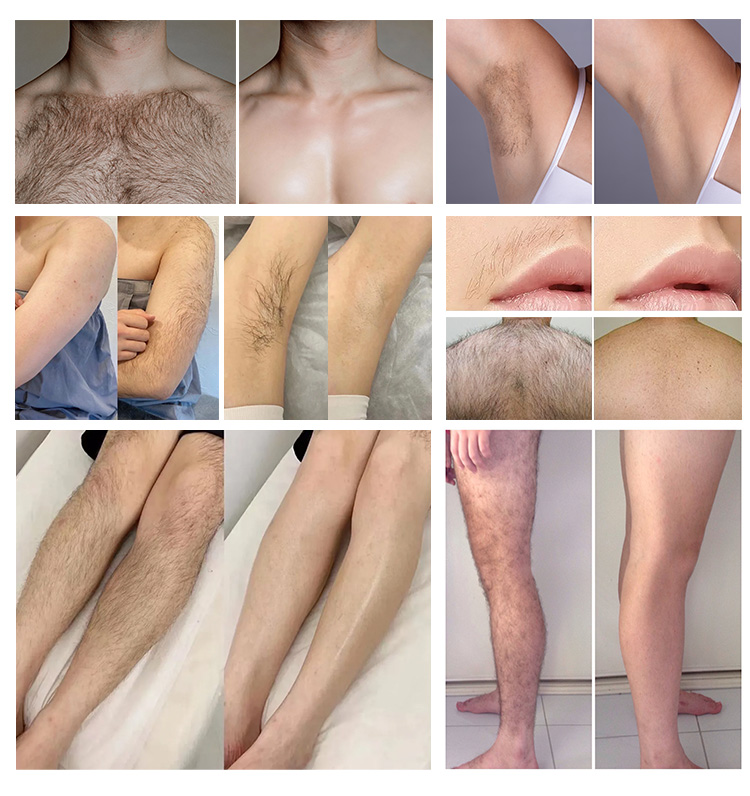
DPL is a non-invasive skincare system that uses advanced light technology to deliver rapid, intense pulses of light to the skin. This light precisely targets specific cells to improve skin concerns such as dark spots, redness, and sun-induced damage. The skin then repairs itself, resulting in a clearer, more radiant complexion and a more even skin tone.
Unlike Intense Pulsed Light (IPL), which uses a broad spectrum of light, DPL employs a narrower spectrum. This allows the energy to be concentrated more precisely on the target area, minimizing impact on the surrounding skin, reducing discomfort during the procedure, and shortening the recovery period
- Previous: 70117005/70133687 Piercing needle 3 for Bullmer
- Next: 2-in-1 1927nm 1550nm Thulium Laser Machine Skin Rejuvenation dual Laser Thulium Device
